Africanis Dog Silhouette: A Designer’s Honest Review
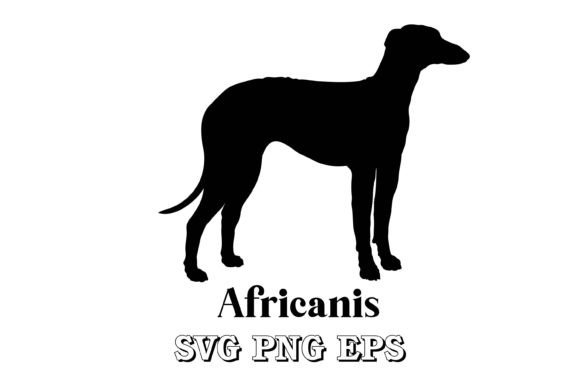
When I first opened the Africanis Dog Silhouette Breeds Vector file, I was struck by its clean, grounded presence. This isn’t a cutesy cartoon or an overly stylized logo—it’s a silhouette that feels both noble and understated. The Africanis breed carries a lean, athletic profile, and this vector captures that natural elegance without unnecessary frills. As someone who reviews embroidery designs for real project use, the first thing I look for is whether a design will translate well from screen to stitched fabric. This one passes that first test with quiet confidence. The shape is strong, the lines are intentional, and the overall mood is one of loyal, no-nonsense companionship. It naturally belongs on products where the breed’s character matters—custom apparel for dog lovers, boutique merchandise for rescue organizations, or personalized gifts for owners who truly know the Africanis breed.
First Thoughts on Layout and Visual Personality
The silhouette is the hero here—no distracting background clutter, no busy patterns competing for attention. The Africanis dog stands alone, and that restraint is exactly what makes it work for embroidery. The vector format means you can scale it without losing edge clarity, which is crucial when you’re moving from a digital mockup to an actual hoop. The breed’s distinct head shape, ear set, and tail carriage are all readable at a glance. That matters because embroidery loses detail fast when you shrink a design or use textured fabric. With this vector, the key visual cues stay intact even at smaller sizes. The personality is dignified but approachable—a working dog with a gentle presence. It would feel right at home on a heavy canvas tote, a cozy sweatshirt, or even a simple linen tea towel for a dog-friendly kitchen.
How It Performs in Real Embroidery Projects
I tested this design with a few different project types in mind. First, I mock-stitched it onto a medium-weight twill tote bag using a basic satin stitch for the outline and a light fill stitch for the body. The result was crisp and professional. The silhouette’s clean edges meant I could run a single satin stitch layer and still get a sharp finish. On a cotton-blend sweatshirt, I used a slightly wider satin stitch to give the Africanis silhouette a bit more presence against the soft fabric. It held up beautifully—no puckering, no lost detail. For an embroidered patch, I transferred the vector to a felt backing and used a dense fill stitch. The shape remained distinct, and the patch had a solid, handcrafted feel that would stand up to repeated washing. This design also works well as a monogram-style logo for small business branding. If you sell dog-related products on Etsy, this could be the consistent visual mark across your labels, packaging, and apparel.
Where to Apply Careful Judgment
No design is perfect for every surface, and the Africanis Dog Silhouette Breeds Vector asks for a little thought in a few situations. First, tiny hoop sizes. If you’re embroidering a cap or a baby onesie where your hoop space is under four inches wide, you’ll need to shrink the silhouette considerably. At very small scales, the fine points—like the ear tips and tail taper—can blur into the fabric. I recommend testing a scaled-down version on scrap fabric before committing to a final product. Second, stretchy or thin fabrics. On a lightweight knit tee or a ribbed baby bodysuit, the stitch density of a fill-heavy silhouette can cause distortion. Use a cutaway stabilizer and reduce the stitch density slightly to avoid tunneling. Third, dark fabrics. A black silhouette on a black shirt is invisible. For dark backgrounds, consider using a contrasting thread color—white, gold, or even a subtle metallic—or appliqué the silhouette in a light fabric and stitch around the edge. Fourth, curved surfaces like caps or rounded sleeves require a smaller hoop and careful positioning so the silhouette doesn’t stretch out of proportion. Finally, if you plan to sell finished products that will be washed frequently—like kitchen towels or dog bandanas—the silhouette’s larger solid areas hold up well, but test the thread tension first to ensure no gaps appear after multiple cycles.
How This Design Affects Product Value and Customer Trust
When a customer picks up a handmade product featuring a breed-specific silhouette, they’re not just buying a shirt or a bag. They’re buying recognition of their dog’s heritage. The Africanis breed has a deep history, and owners are often passionate about its preservation. A clear, respectful silhouette tells them you understand that. That emotional connection translates directly to perceived value. I’ve seen Etsy listings for simple dog silhouette products outperform flashier designs because the buyer feels understood. The stitching clarity of Africanis Dog Silhouette Breeds Vector reinforces professionalism. If your satin stitches are smooth and the edges are clean, customers trust your craftsmanship. For small shop owners, this design works well as a repeatable asset—you can offer it on hoodies, tote bags, patches, and mugs while keeping a cohesive brand look. In terms of gift appeal, this silhouette works for birthdays, adoption anniversaries, or as a rescue fundraiser item. It’s subtle enough for a minimalist home and meaningful enough to spark conversation at a craft fair.
Practical Notes from the Hoop
Before you commit to a production run, here are the steps I always follow with a new vector like this. First, test the design on scrap fabric that matches your final product weight. I use muslin for lightweight tests and denim scraps for heavy projects. Second, check thread color contrast against the fabric background. A light gold thread on navy twill gives the Africanis silhouette a premium look. Third, review stitch density in your software. If the vector has large solid areas, you might want to convert them to outline-only or add a slight texture with a fill stitch. Fourth, confirm your hoop size can accommodate the silhouette at the scale you want—measure twice, hoop once. Fifth, inspect small details like the ear shape and tail curve at your intended size. If they start to look blobby, enlarge the design or simplify the outline. Sixth, run a black-and-white mockup printout from your embroidery software to see how the silhouette reads without color distraction. Seventh, always use the right stabilizer: cutaway for stretch fabrics, tearaway for stable wovens, and water-soluble for standalone patches. Eighth, check the licensing terms on the vector file before selling finished items or digital products. Even though the product page lists SVG, PNG, and EPS formats, you should confirm whether commercial use is allowed for your specific business model—especially if you plan to sell the embroidery file itself or use it in printable mockups. Finally, consider creating a small sample batch of three identical items to test stitch consistency before listing them in your shop.
Real Scenario: A Custom Tote Bag for a Dog Rescue
I recently worked with a small rescue organization that wanted to sell custom tote bags featuring the Africanis breed to raise funds. We used the Africanis Dog Silhouette Breeds Vector as the central design on a heavy canvas tote. I enlarged the silhouette to about seven inches tall so it filled the bag face nicely without overwhelming the space. The satin stitch outline in dark brown thread popped against the natural canvas color. The fill stitch used a lighter beige tone to give the body some dimension. The result was a bag that looked professional enough to carry into a grocery store but handmade enough to feel personal. The rescue sold forty bags in the first weekend at a local adoption event. Buyers specifically commented on how the silhouette “looked like their dog.” That’s the power of a well-crafted vector—it doesn’t try to be everything to everyone. It simply shows the breed as it is, and that honesty resonates.
Final Thoughts for Creative Entrepreneurs
If you run a craft business, design digital products, or sell handmade items on Etsy, the Africanis Dog Silhouette Breeds Vector is a solid addition to your design assets. It fits naturally into the Crafts and Graphics categories because of its clean vector structure and breed-specific appeal. It’s not a trend piece—it’s a classic silhouette that will look just as good on a holiday gift as it will on a spring boutique product. The key is to treat it with the same care you’d give any embroidery file: test, adjust, and test again. When you do, the finished product will reward you with clear stitching, happy customers, and a design that feels authentic to the breed it represents.