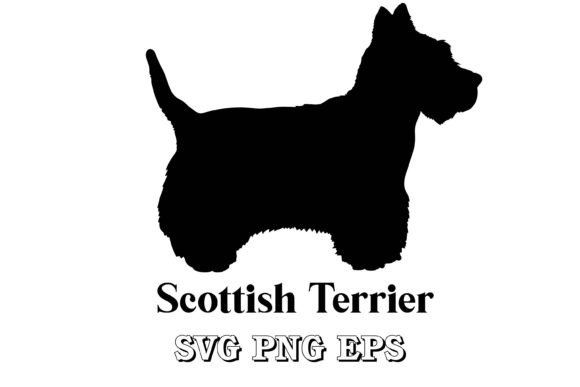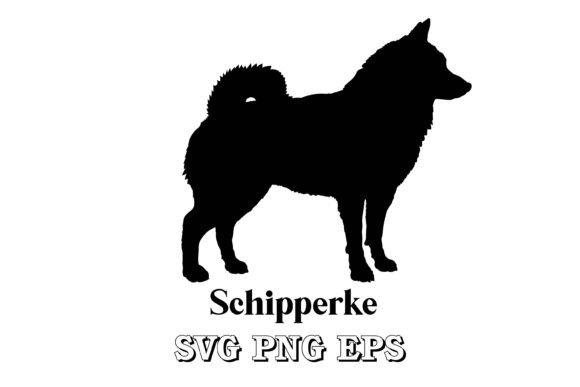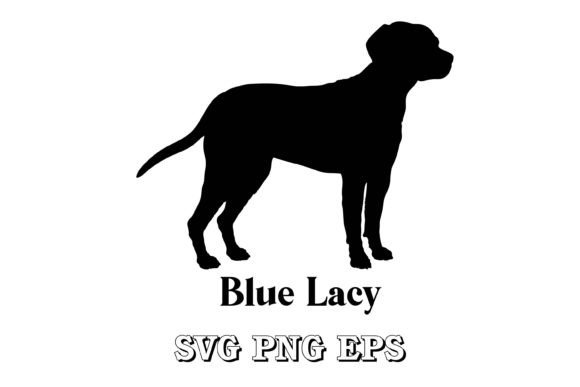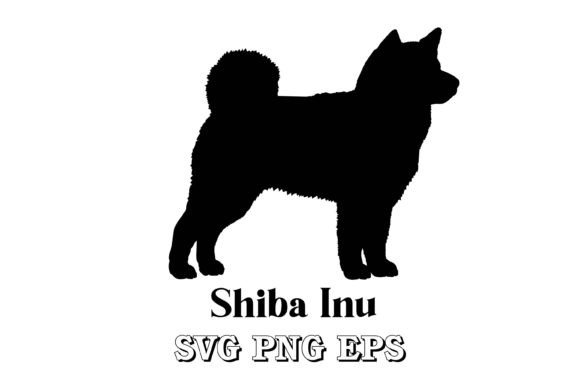
Ariegeois Dog Silhouette Breeds – A Hands-On Design Review
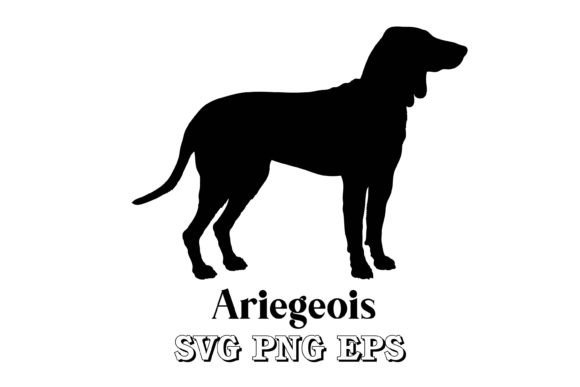
I recently took on a commission for a custom embroidered tote bag. The client, a passionate owner of an Ariegeois hound, wanted something that felt personal yet polished enough for daily use. When I opened the file for Ariegeois Dog Silhouette Breeds, I immediately recognized its potential as a core design asset. The clean dog silhouette and structured dog face vector promised a smooth transition from digital graphic to stitched reality. For any designer working in custom apparel or handmade products, the first impression of a file matters. This one delivered a mood of quiet elegance and breed-specific accuracy.
The Embroidery-Ready Appeal of a Clean Silhouette
In the world of machine embroidery design, less is often more. A busy graphic can turn into a muddy mess of thread, especially when scaled down for caps or small patches. Ariegeois Dog Silhouette Breeds avoids that pitfall entirely. The silhouette format naturally lends itself to satin stitch edges and clean fill stitch interiors. It is a graphic that respects the limitations of thread while showcasing the distinctive profile of the breed.
I tested the design in a few quick printable mockup scenarios before touching the digitizing software. On a mock tote, it sat beautifully. On a mock sweatshirt, the proportions held strong. The dog monogram logo potential is high here, meaning you can use it as a standalone emblem or pair it with text for a boutique finish. The mood is understated and premium. It is not a cartoon or a detailed portrait. It is a statement piece that relies on shape recognition.
Real Case Scenario – From Digital Graphic to Stitched Product
For the client’s tote bag design, I wanted to see how the graphic performed under real stitching conditions. I selected a sturdy cotton canvas in natural beige, paired with a deep charcoal thread to maximize contrast. The embroidery file that I generated from the vector required careful attention to stitch density. A silhouette this clean can become stiff if the fill is too tight. I adjusted the density to allow the fabric texture to breathe slightly, preventing a rigid patch feel.
The results were impressive. The satin stitch outline tracked smoothly around the ears and muzzle, and the fill stitch interior held a solid, even color. I then ran the same test on a mid-weight sweatshirt fabric. Here, the stabilizer choice became critical. A tear-away stabilizer caused slight puckering, so I switched to a cut-away stabilizer, which gave the design a professional, flat finish. This is the kind of real-world adjustment that separates a viable design asset from a frustrating one.
I also experimented with an applique design version. Using the silhouette as a template, I cut a separate piece of fabric for the main body and stitched the details on top. The result was a soft, dimensional embroidered patch that would work perfectly for jackets or bags. The shape of the Ariegeois head made for clean applique edges without overly complex corners.
Where This Design Fits Best and Where You Need Caution
After several test runs, I developed a clear picture of where Ariegeois Dog Silhouette Breeds performs at its peak. It is an excellent choice for custom apparel, especially structured items like aprons, caps, and sweatshirt embroidery. It fits naturally on a tote bag design, lending a boutique feel to small shop products. The same goes for home decor items. I stitched it onto a linen pillow cover and a cotton kitchen towel, and the clean lines elevated both items into personalized gift territory.
For baby embroidery, the design works well on blankets or nursery decor, but I recommend scaling it generously. A silhouette that is too small on a baby onesie can lose its definition, especially after washing. Similarly, be mindful of fabric texture. Highly textured fabrics like fleece or thick knits can blur the edges of a dense fill. Use a medium weight thread and a sharp needle to maintain clarity.
I would advise caution with extremely small hoop size scenarios. If you are trying to fit the design into a 4x4 hoop with intricate surrounding elements, the silhouette itself may become too tiny to read properly. The design shines when it is given enough space to breathe. Also, test it thoroughly on dark fabric if you plan to use dark thread. A subtle contrast can work beautifully, but a mismatched contrast ratio will kill the visual impact.
Practical Designer Notes for a Flawless Finish
- Test on Scrap Fabric First: I cannot stress this enough. Run a full stitch test on the exact fabric and stabilizer you plan to use. This saves your finished product from expensive mistakes.
- Check Thread Color Contrast: The silhouette format depends on shape recognition. Test a black-on-white mockup and a white-on-black mockup before committing to thread colors.
- Review Stitch Density: If the fill is too dense, the fabric will pucker. If it is too loose, the background fabric will peek through. Adjust your digitizing software settings to find the sweet spot for your specific fabric texture.
- Confirm Hoop Size: The vector format allows for scaling, but verify that your chosen hoop size accommodates the final dimensions comfortably. Leave at least half an inch of clearance around the hoop.
- Inspect Small Details: The dog face vector has clean lines, but zoom in to ensure there are no stray nodes or open paths that could cause registration errors during digitizing.
- Use Proper Stabilizer: For stretchy fabrics like jersey or sweatshirt material, a cut-away stabilizer is your best friend. For stable wovens or canvas, a tear-away may suffice. Always match the stabilizer to the fabric weight and the stitch density.
- Consider Washing: If the finished product needs to survive frequent washing, like a kitchen towel or a baby blanket, use high-quality thread and a dense enough stitch to prevent pulling.
Commercial Value and The Finished Product
For Etsy sellers and creative entrepreneurs, a reliable design asset like this one is a business multiplier. It fits perfectly into a craft business model where you offer personalized gifts or custom apparel. The breed-specific nature of the graphic builds immediate trust with customers who own Ariegeois hounds. They are looking for recognition, and this silhouette delivers it.
I have used the design to create a run of boutique aprons for a local pet supply shop. The aprons became a signature handmade product that customers associated with quality. The same design translated well into a series of embroidered patches for a craft fair. The patches were simple to produce, consistent in quality, and sold quickly because of their clean, professional appearance.
Before selling any digital embroidery file versions or finished products that use this graphic, I strongly advise checking the license terms included with your download. Licensing compliance protects your small shop product line and ensures you can legally use the asset for commercial embroidery projects. This is a standard step that every serious craft business owner should follow.
Final Thoughts on Ariegeois Dog Silhouette Breeds
This graphic earns a solid recommendation from me for designers who value clarity, versatility, and breed-specific accuracy. It is not a flashy design meant to overwhelm. It is a thoughtful, balanced piece that performs reliably across a range of embroidery project types. Whether you are stitching a one-off personalized gift, building a line of custom apparel, or creating design assets for your handmade product catalog, the Ariegeois Dog Silhouette Breeds file gives you a strong foundation. Test it, adjust it for your specific fabric and stabilizer, and watch it elevate your finished product into something your customers will genuinely appreciate.