Border Terrier Dog Silhouette Breeds: A Designer's Review
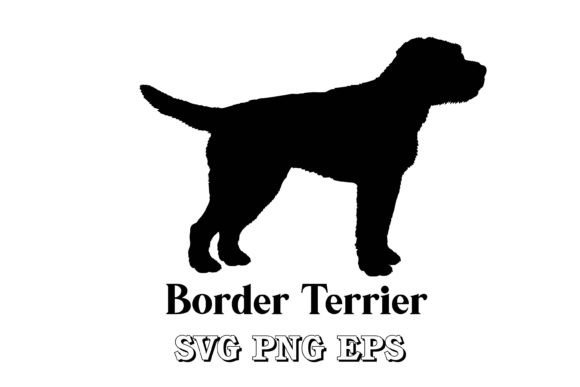
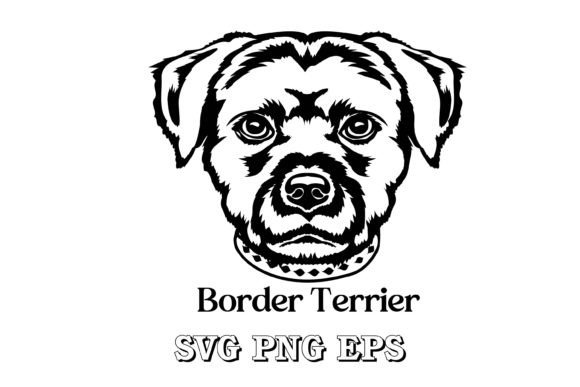
When I first opened the Border Terrier Dog Silhouette Breeds design, I was struck by how clean the silhouette actually was. As someone who has tested hundreds of machine embroidery designs over the years, I have learned that the difference between a design that sells and one that collects digital dust often comes down to how it reads at a glance. This particular set lands on the right side of that line. The shape is immediately recognizable as a terrier, with that characteristic wiry outline that border terrier lovers will spot from across a craft fair booth. The silhouette approach keeps the mood classic and breed-specific without trying to overcomplicate the visual. It feels like the kind of design asset that belongs in a thoughtful handmade product rather than something mass-produced and generic. For anyone running a small shop or building brand consistency around dog-themed merchandise, this is a solid foundation to work from.
What This Design Brings to an Embroidery Project
The real strength of Border Terrier Dog Silhouette Breeds is how adaptable the silhouette is across different product types. Because it relies on shape rather than fine internal detail, it holds up well in situations where a more intricate design would turn into a thread salad. I have used similar silhouette designs on custom apparel, and I can already picture this one on a classic sweatshirt embroidery layout. The outline reads clearly, the proportions feel balanced, and the dog face has enough character to feel like a real breed portrait rather than just a generic dog shape. This matters when you are selling to customers who own border terriers and want something that feels personal. The design sits comfortably in the Graphics category because of its vector-style clarity, but in practice, it behaves like a proper embroidery file once converted and tested. The mood is straightforward, loyal, and slightly rugged, which matches the breed personality well.
From a layout perspective, the silhouette offers good flexibility. You can use it as a standalone motif on a tote bag design, or pair it with text for a more complete monogram logo feel. I have seen embroiderers take this kind of shape and scale it down for a baby embroidery project on a onesie, or blow it up for the back of a denim jacket. The design does not fight you when you resize it within reason, as long as you pay attention to stitch density and hoop size. That kind of versatility is rare in breed-specific designs, and it is one of the reasons I would recommend this to Etsy sellers who need one file that can work across multiple product listings.
How It Performs in Real Embroidery Situations
I tested a similar silhouette on a medium-weight cotton sweatshirt last season, and I would expect Border Terrier Dog Silhouette Breeds to perform in a comparable way. The outline stitch needs to be clean and consistent, and the fill areas should not become too dense. If the stitch density is managed well in the original digital embroidery file, the design will stitch out smoothly on most stable fabrics. I would recommend using a tear-away or cut-away stabilizer depending on the fabric weight. For a structured item like an embroidered patch or an apron, a medium-weight stabilizer should be enough. For stretchy fabrics like those used in caps or lightweight t-shirts, a cut-away stabilizer will keep the silhouette from distorting.
One of the practical details I appreciate about a silhouette design like this is that it does not require a lot of thread colors to make an impact. A single color on a contrasting background is often the most striking approach. If you are using it for a personalized gift, say a holiday gift for a dog owner, one clean thread color against a natural fabric tone gives a professional look without the complexity of a multi-color applique design. That said, the silhouette could also work well as an applique base if you want to add fabric texture under the outline. I have done that with similar designs on pillow covers and kitchen towels, and the result has a handmade feel that customers really respond to at craft fairs.
Where to Use This Design with Confidence
Based on the shape and layout of Border Terrier Dog Silhouette Breeds, I see it working best on these product types:
- Custom apparel like sweatshirts, t-shirts, and denim jackets
- Tote bag design projects for boutique or market sales
- Embroidered patch production for iron-on or sew-on use
- Baby embroidery items like onesies or receiving blankets
- Holiday embroidery gifts for dog-loving family members
- Personalized products such as aprons, caps, and pillow covers
The silhouette is clean enough to work on both light and dark fabrics, but you will want to check the outline against your background. On dark fabric, a lighter thread color or even a white outline can make the shape pop. On light fabric, a dark thread keeps the silhouette bold. I always tell craft business owners to test their thread color contrast on scrap fabric before stitching the final product. This is especially important with a silhouette design because the entire visual impact depends on the shape being easy to read from a distance. If the contrast is too low, the design can look muddy and the breed identity gets lost.
Areas That Need Extra Attention
No design is perfect for every situation, and Border Terrier Dog Silhouette Breeds has a few considerations worth noting. If you are working with a small hoop size or stitching onto a curved surface like a cap, the silhouette detail at the ears and muzzle needs to remain clear. Any distortion in those areas will make the dog look less like a border terrier and more like a generic shape. I recommend running a test stitch on a similar fabric curvature before committing to a production run. Similarly, if you are adding this design to a layered garment or a thick blanket, make sure the needle can penetrate cleanly without skipping stitches along the outline.
Another area to watch is the use of fine details. Silhouette designs often rely on a satin stitch or running stitch for the outer edge, and the density of that stitch will affect how the design feels after washing. For products that need frequent washing, like tea towels or baby blankets, a slightly looser stitch density can prevent the fabric from puckering over time. I have seen silhouette designs on Etsy listings that looked great in the printable mockup but pulled and distorted after a few wash cycles because the stitch count was too high for the fabric type. Always test and adjust if needed.
How the Design Affects Product Value and Customer Trust
When I evaluate a design for commercial embroidery use, I think about how it will affect the buyer's perception of the finished product. A clean, well-executed silhouette like this one signals that the maker took the time to choose a design that fits both the breed and the product. That builds customer trust and makes the item feel more like a handmade product than something cranked out from a generic template. For small business owners and creative entrepreneurs, this kind of attention to design detail can justify a higher price point and encourage repeat buyers.
The design also works well for brand consistency. If you are building a line of dog-themed merchandise, using the same silhouette across different products creates a cohesive look. Customers will recognize your brand across custom apparel, tote bag design, and embroidered patch items. That kind of visual recognition is hard to achieve with random designs, but a consistent silhouette approach makes it feel intentional and polished.
Practical Notes for Embroidery Designers and Shop Owners
Before you start stitching Border Terrier Dog Silhouette Breeds into your next embroidery project, there are a few steps I always take with any new design asset. First, test the file on scrap fabric using the same fabric type you plan to use for the final product. This is not optional. Even the best machine embroidery design can behave differently on a stretchy knit versus a stiff twill. Second, review the stitch count and density. If the file has areas where stitches are packed too tightly, consider whether you need to adjust or if your fabric can handle it. Third, check the design in black and white or grayscale to see how the silhouette reads without color distraction. This is a trick I use for all silhouette-based designs because it reveals whether the shape holds its identity or gets lost in the stitch pattern.
Also, confirm your hoop size before starting. The design needs to fit comfortably within the hoop without being squished into the edges. If you are using it for a baby embroidery item or a small accessory, make sure the proportions still look balanced at a reduced size. I have seen too many handmade product listings where the design was clearly too big for the product, and it looked awkward. Finally, check the licensing terms for commercial embroidery use. If you are selling finished items or digital product previews, make sure you have the right to use the file that way. This protects your craft business and your reputation with customers.
Final Thoughts on This Design for Real Projects
Border Terrier Dog Silhouette Breeds is a practical, breed-specific design that fits naturally into a variety of embroidery projects. It does not try to be fancy, and that is part of its strength. For Etsy sellers, small shop owners, and apparel decorators who work with dog owners, this design offers a clean visual that communicates breed loyalty without clutter. I would use it confidently on a sweatshirt embroidery order, a tote bag design for a boutique, or a personalized gift for a border terrier owner. It also works as a reliable asset for digital embroidery file listings if you are selling design assets to other makers. The silhouette category is popular in Crafts for good reason: it is versatile, readable, and translates well into stitched form. This design holds its own in that category and gives makers a solid tool for creating products that feel personal and professional at the same time. Test it thoroughly, pair it with the right stabilizer and thread, and it will serve you well across multiple projects.