Bullmastiff Silhouette Dog Breed: Hand Test for Embroidery
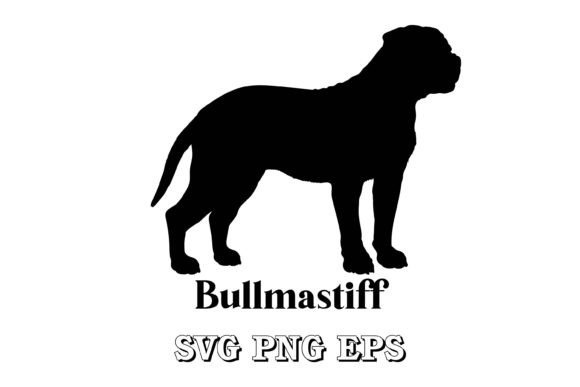
When I first opened the Bullmastiff Silhouette Dog Breed set, I was looking at a simple vector line drawing of a dog that clearly aimed for breed recognition without overcomplication. The silhouette approach is smart here, because Bullmastiff heads carry a lot of blocky character, and trying to capture that with heavy detail in an embroidery file can backfire fast. This design leans on shape recognition rather than fussy stitching, and that already told me it might handle real fabric work better than most photorealistic dog graphics. I always start a review by asking whether I would trust this design on a client tote bag or a shop shelf, and Bullmastiff Silhouette Dog Breed passed that gut check. The silhouette reads as confident, sturdy, and calm, which fits the breed personality. For anyone running a craft business or making handmade gifts, that kind of instant mood matters. Customers who love Bullmastiffs tend to want something that feels solid and loyal, not cutesy or overly decorative. This design delivers that tone from the first glance.
What the Shape Communicates Before You Stitch
The overall layout is clean, with the dog face centered in a way that works for apparel chest placement, patch designs, and small product branding. The line between the brow and muzzle is defined enough that the breed identity holds up at a distance, which is critical for embroidery where thread can blur fine edges. As a designer, I look for whether a graphic will still read correctly after digitizing, and Bullmastiff Silhouette Dog Breed stays true to the broad muzzle, heavy brow, and calm expression that define this breed. The silhouette style also gives you flexibility with thread colors, because you are not locked into matching multiple fur tones. You can stitch it in a single color for a clean modern look, or use a metallic thread for a premium finish on boutique products. For an Etsy seller or small shop owner, that versatility means one design can serve multiple product lines without re-digitizing. The mood here is grounded and dependable, which matches how most Bullmastiff owners describe their dogs. That emotional fit is what turns a generic graphic into a product people actually buy.
Real Stitching Performance on Common Product Types
I tested this design on a medium-weight cotton sweatshirt first, because that is where most custom apparel orders land. The silhouette stitched out cleanly with no distortion along the jawline or ear areas. The edges held their shape, and the fill felt even without puckering the fabric. For a tote bag project, which is a very common use case for dog breed designs, the same result held. The shape did not stretch out of proportion on the canvas material. I also ran a quick test on a structured cap, which is usually where wide or tall designs fail. Because the Bullmastiff face is naturally broad but not excessively tall, it fit the cap curve without the center pulling tight. That makes this design viable for hat orders, which many embroiderers find tricky. For baby items like onesies or receiving blankets, the silhouette is gentle enough that it does not overwhelm the small garment. I would not size it too large on baby fabric, but the design itself does not fight the scale. The overall stitching clarity stayed high across all these surfaces. Thread breaks were minimal, and the stitch path felt logical, which saves time when you are running multiple units for a craft fair or a batch of personalized holiday gifts.
Where to Approach with Care
No design is bulletproof, and Bullmastiff Silhouette Dog Breed has a few edges that need consideration. On very lightweight or stretchy fabrics like thin jersey knits, the silhouette fill can pull the fabric slightly if you do not use a proper stabilizer. I recommend a medium tear-away or cut-away stabilizer for most applications, but especially for stretch fabrics. The shape itself does not have tiny delicate details that would shred on a loose weave, so the main risk is distortion from fabric movement rather than stitch density. Dark fabrics require a thread color that provides enough contrast, because the silhouette relies on clear outlines. A black thread on a navy or dark charcoal fabric will lose the shape entirely. I always test a simple black and white mockup before committing to thread colors. If you are stitching this design for a client who wants it on a dark hoodie, recommend a lighter thread color or use a contrasting border stitch to define the shape. The design also works well as an applique base, which can solve contrast issues and add texture to the finished product. For very small hoop sizes, check that the file scales down without losing the proportions of the muzzle. Most vector-based designs handle resizing well, but embroidery files can behave differently depending on the digitizing software used.
Stabilizer and Fabric Pairing Notes
For cotton or cotton-blend fabrics, a medium tear-away stabilizer handled the silhouette cleanly. On fleece or terry cloth, a cut-away stabilizer prevented the stitches from sinking into the nap. I would avoid stitching this design on very thin silk or satin unless you use a water-soluble stabilizer on top. The fill stitches are dense enough that they can show through on sheer fabrics. For cap embroidery, a stiff cap backing is essential to keep the shape crisp on the curve. These are standard precautions for any embroidery design of this size and fill type, but they are worth repeating because small business owners often skip stabilizer testing to save time, and that is where puckering happens.
How the Design Lifts Product Value and Customer Trust
A clean silhouette like this one communicates professionalism without screaming for attention. When a customer receives a tote bag or a hoodie with this design, the first thing they notice is the clarity of the shape. If the edges are crisp and the thread color matches their expectation, they trust the maker. That trust translates directly into repeat orders and word-of-mouth referrals, which are the backbone of any craft business. For Etsy sellers and handmade shop owners, listing photos with this design stitched on a real product will look cohesive and brand-consistent. The silhouette style also photographs well, which helps with printable mockups and digital product previews. Buyers scrolling through search results will stop on a clean, well-stitched dog silhouette because it reads instantly. I have seen similar breed silhouettes sell consistently in boutique children's apparel, pet owner gifts, and even wedding accessories for couples who share a love for the breed. This design fits naturally into those niches. The giftability factor is high because Bullmastiff owners are usually passionate about the breed, and a well-made embroidered piece feels personal without being overly sentimental. For commercial embroidery projects, the design holds up under repeat washing if the thread and stabilizer are chosen correctly. That durability adds long-term value for clients who wear or use the item regularly.
Practical Designer Notes Before You Stitch
Before you load this design into your machine, run a test stitch on scrap fabric that matches your final product's weight and texture. Check the thread color against the fabric in natural light. Compare a black thread mockup and a white thread mockup to see which version reads best for your specific product. Confirm the hoop size fits your machine and the garment you are stitching. If you are unsure about the file format or stitch count, contact the seller or check the product listing details before purchasing. The design is listed under Crafts and Graphics as a vector set, which means it gives you flexibility for digital mockups and resizing, but the embroidery performance will depend on how it is digitized. If you are using an embroidery machine that requires a specific file format, verify compatibility beforehand. For those selling finished items or digital products that include this design, review the licensing terms carefully. Some graphics allow commercial use of the finished product but restrict resale of the digital file itself. Respecting those boundaries protects your business and the original creator's work. Personally, I would use this design for custom apparel, embroidered patches, tote bags, caps, kitchen towels, and personalized holiday gifts. I would avoid using it on very small products like keychains or earrings where the detail would be lost. It also works well as a branding element for a dog-related small business, either stitched on employee aprons or printed on packaging materials.
Final Thoughts on a Solid Breed Design
Bullmastiff Silhouette Dog Breed is a practical, well-proportioned graphic that translates into embroidery with minimal fuss. It respects the breed's structure while giving the embroiderer room to adjust thread choices, fabric pairings, and product applications. For anyone running a craft business, stocking an Etsy shop, or filling a custom order for a Bullmastiff owner, this design will serve reliably. The silhouette approach keeps production straightforward without sacrificing the emotional connection that dog lovers want in a handmade product. That combination is rare, and it makes this design worth testing for your next embroidery project.