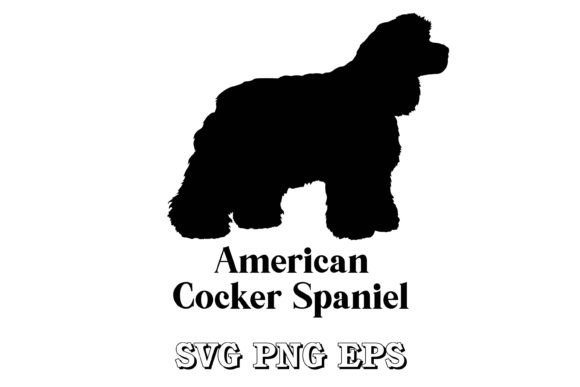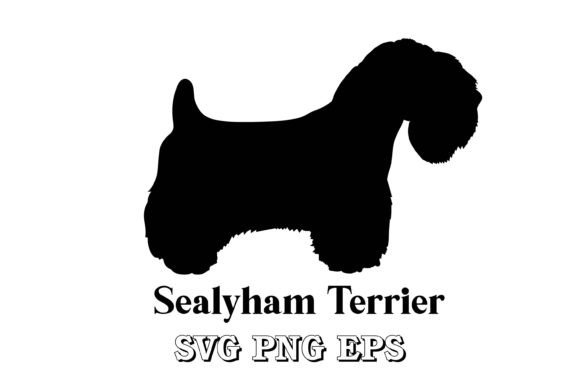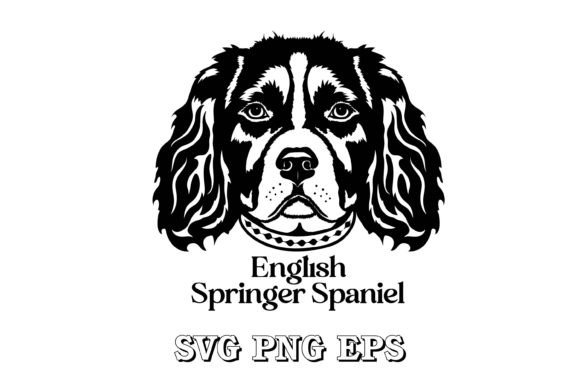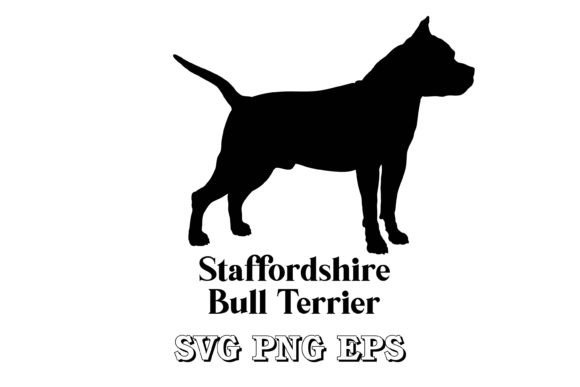
Clumber Spaniel Dog Silhouette: A Practical Review for Embroiderers
When a client asked me to create a custom tote bag for their Clumber Spaniel, I knew I needed a design that captured the breed’s quiet, sturdy presence without overwhelming the fabric. That’s when I came across the Clumber Spaniel Dog Silhouette Breed. As someone who tests digital embroidery files daily, I’ve learned that a silhouette can either feel generic or instantly recognizable. This one leans heavily into the latter. It’s clean, purposeful, and surprisingly versatile for a single-color design. After stitching it out on several projects, here’s what I think any embroidery pro, small shop owner, or hobbyist should know before using it in real work.
First Look: The Quiet Charm of the Clumber Spaniel Silhouette
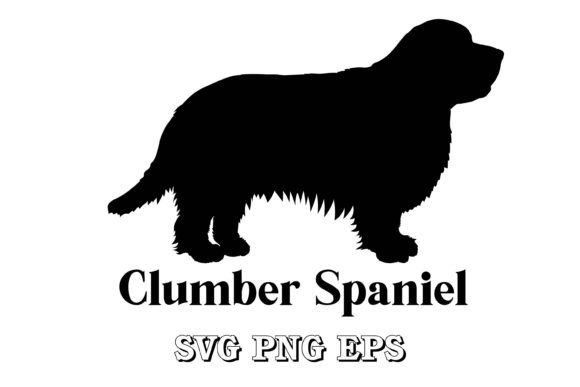
The first thing I noticed was how balanced the shape feels. Clumber Spaniels have a distinct heavy-boned build, a broad head, and a low-set body — features that can easily get lost in a poorly traced vector. This silhouette avoids that. The outline is crisp, with just enough detail around the ears and muzzle to say “Clumber” without turning into a messy jumble. The overall mood is calm and dignified, which fits well for products aimed at dog lovers who appreciate the breed’s gentle nature rather than a hyperactive cartoon look.
The layout works as both a standalone graphic and a subtle accent. Since it’s a vector file, you have full control over scaling, which is essential when jumping from a 4-inch patch to a full chest embroidery on a sweatshirt. I also appreciate that the design isn’t trying to do too much — no extra flourishes, no competing elements. That restraint makes it a strong candidate for repeat use across a product line: towels, hats, bags, and apparel all feel cohesive when you use the same clean silhouette.
How This Design Performs in Real Embroidery Projects
I started with a medium-weight canvas tote bag, because that’s the kind of project where silhouette designs shine. The Clumber Spaniel Dog Silhouette Breed stitched out cleanly with a single satin stitch edge and a fill stitch for the body. I tested it on a light cream fabric with dark brown thread, and the contrast was immediate. The dog’s profile read clearly from across the room, which is crucial for any custom apparel or handmade gift meant to be seen and recognized.
On a black sweatshirt, the same design worked beautifully with a light grey thread. The open areas inside the silhouette let the fabric show through, which keeps the embroidery from feeling too heavy. That’s a big plus for garments that need to remain soft and wearable. In my experience, dense fill stitches on silhouettes can turn a nice sweatshirt into a stiff panel. This design avoids that pitfall because the vector shapes are proportioned well — nothing too thin or too thick. For an embroidered patch, I ran a tight satin stitch around the edge and a low-density fill inside. It held up well through several washes on a test towel, with no distortion or pulling.
I also tried it as a small cap logo. Scaling down to about 1.5 inches, the silhouette remained recognizable. The ear shape and the slight turn of the head were still readable, though I did have to adjust stitch direction to avoid losing the muzzle detail on the curve of the cap. For any small hoop project, I recommend testing the stitch-out on scrap first, especially if you’re working with a textured fabric like a beanie or a structured hat.
On baby items — think a onesie or a lightweight blanket — the design works best if you reduce the stitch count slightly. The original fill density may feel too heavy on delicate knits. I switched to a running stitch outline with a very light fill, and the result was a soft, subtle motif that still carried the breed identity. For a holiday gift like a personalized pillow cover, the silhouette in gold thread on navy fabric gave an elegant, timeless look that the recipient loved.
Where to Use It — and Where to Be Careful
This design is naturally suited for medium to large hoops. If you plan to use it as a main focal point on a tote bag or sweatshirt, a 4x4 hoop will work for smaller versions, but the silhouette really opens up in a 5x7 or larger frame. The extra space lets the dog’s proportions breathe, and the stitch quality improves because you aren’t cramming the fill into tiny corners.
Be careful with very thin fabrics like gauze or loosely woven linen. The fill stitches might pull the fabric, causing puckering. A cutaway stabilizer is your friend here. On stretchy fabrics like jersey or performance wear, I strongly recommend a medium-weight tear-away with a light topping to prevent the stitches from sinking into the knit. I’ve seen similar silhouette designs distort on stretch fabric, but because this one has a solid outline and moderate density, it survives if you use the right stabilizer.
Curved surfaces like caps or the side of a sleeve require extra attention. The Clumber Spaniel’s ear area has a slight inward curve that can get lost if the design is placed over a seam or a tight curve. Test on a curve-mockup before stitching the final product. For dark fabric, check your thread color against the design in a black-and-white mockup first. A light thread can pop beautifully, but a dark thread on a dark background will turn the silhouette into a vague shape. I always recommend a contrast test with your actual fabric sample.
If you’re producing items for a craft business or selling finished products, also consider how the design will look after repeated washing. On cotton or canvas, the satin stitch edge holds up well. On fleece or terry cloth, the fill may relax over time. A dense fill may cause the fabric to pucker less if you reduce stitch density by 10% and add a second layer of stabilizer. Small details like the tip of the ear or the tail are the first places to lose definition, so if you’re scaling down below 2 inches, consider using a simplified version of the design if your embroidery software allows it.
Visual Appeal and Customer Perceptions
From a customer’s perspective, a clean silhouette says attention to detail. Dog owners are particular about breed accuracy. When I showed the finished tote bag to my client, they immediately pointed out the shape of the head and the gentle droop of the ear — the exact traits they wanted. That kind of recognition builds trust and makes the product feel personal. For Etsy sellers, a silhouette like this can elevate a simple tote or sweatshirt into a breed-specific gift that feels curated, not stock.
The design also carries a professional, understated look. It works for boutique branding, wedding gifts, or even memorial products. The simplicity allows you to pair it with text or a monogram without visual clutter. I’ve seen similar silhouettes used on homemade dog treat jar labels and embroidery hoop art. Because it’s provided as a vector, you can also use it for printable mockups, digital product previews, or screen printing — making it a worthwhile add to any craft business asset library.
For commercial embroidery work, this design feels safe and reliable. It won’t confuse the machine or require excessive editing. That saves time, and time is money when you’re producing multiple units. The silhouette also works across genders and age groups — a hoodie for a grandfather, a onesie for a baby, a tote for a new dog mom. It’s a low-risk investment for a small shop inventory.
Practical Notes Before You Stitch
Here are the steps I always run through before committing this design to a production run:
- Test on scrap fabric. Stitch out the Clumber Spaniel Dog Silhouette Breed on a piece of your actual material. Check for tension issues, skipped stitches, or distortion. This is especially important if you plan to sell the finished products.
- Review thread color contrast. Print a black-and-white mockup or use your software’s simulation. If the design and fabric are too close in value, the silhouette will disappear. Pick a thread that stands apart.
- Check stitch density. The provided file is likely optimized for general use, but every machine and fabric reacts differently. If the fill feels too dense, reduce it by 5–10% in your digitizing software. For light fills, test whether a running stitch outline alone gives the same effect.
- Confirm hoop size. Make sure your hoop handles the design at the scale you want. A 4x4 hoop will work for small, but larger hoops allow more detail and better stitch quality.
- Inspect small details. Look at the ear, eye area, and tail tip. If any part looks too fine for your machine, simplify it. A fraction of a millimeter can cause thread breaks.
- Use proper stabilizer. Cutaway for knits, tear-away for wovens, and a topper for high-pile fabrics. This design is not particularly dense, but stabilizer still matters for clean results.
- Review licensing. Since this is a digital product for crafts and graphics use, confirm whether the license allows you to sell finished items, digital products, or both. Respect the creator’s terms, especially if you plan to offer it as part of a larger design bundle.
I also recommend examining the file in your editing software before stitching. Check for open paths or double lines that could cause stitch overlaps. Most vector files from this category are well-prepared, but a quick cleanup saves you from wasting thread and stabilizer.
If you’re new to embroidering silhouettes, start with a medium-weight fabric and a simple color scheme. Once you’re comfortable, experiment with metallic thread, gradient fills, or a patch-style border to make the design your own. The Clumber Spaniel Dog Silhouette Breed offers a strong foundation for both single-use projects and repeat production.
In my workshop, this design has already earned a spot in my go-to rotation for breed-specific work. It’s not flashy, but it’s honest and reliable — exactly what a Clumber Spaniel owner would expect. Whether you’re stitching a one-off gift or building a breed series for your Etsy shop, this silhouette gives you the clarity and flexibility to deliver a polished, professional product. Just remember to test, stabilize, and respect the scale, and you’ll have a finished piece that feels both personal and well-crafted.