Dunker Dog Silhouette: A Designer's Review
When I first opened the Dunker Dog Silhouette Dog Breeds Vector, I was looking for a clean, recognizable shape that would translate well into thread. I had a custom tote bag order for a client who wanted something subtle but personal—a tribute to their hound without the over-the-top cartoon look that dominates so much commercial embroidery. This vector file promised a silhouette, and silhouettes are tricky in embroidery. They live or die on outline clarity and stitch density. After testing it on a sweatshirt, a patch, and a baby onesie, I have a clear picture of where this design shines and where it needs care.
First Look: Clean Lines and Quiet Confidence
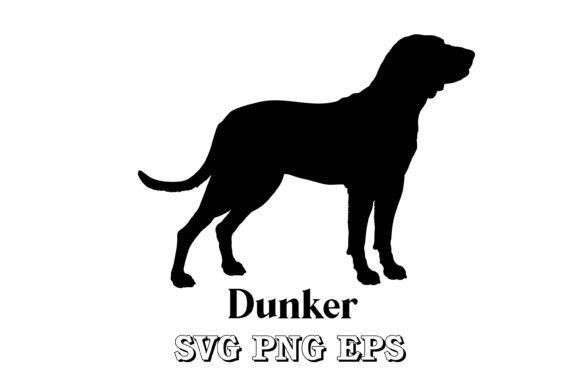
The Dunker Dog Silhouette Dog Breeds Vector presents a straightforward, side-profile view of the breed. There is no excessive detail, no distracting background elements—just the dog's head and neck in a solid form. That simplicity is its strength. The silhouette reads instantly as a hound, with the long muzzle, dropped ear, and gentle slope of the forehead that define the Dunker breed. For a machine embroidery project, this kind of clarity means fewer stitch points, less risk of distortion, and a finished product that holds its shape even after repeated washing.
What I appreciate most is the visual personality. It is not aggressive or cartoonish. It feels calm, loyal, and refined. That makes it suitable for a wide range of products—from a personalized gift for a dog owner to a commercial embroidery project for a boutique pet brand. The vector format (SVG, PNG, EPS) means it can be scaled for different hoop sizes without losing edge quality, which is essential for both small hoop applications like caps and larger designs for sweatshirts or pillow covers.
Real Embroidery Performance: From Tote Bags to Baby Onesies
I tested the Dunker Dog Silhouette Dog Breeds Vector on several fabric types and product formats. Here is what I found:
- Custom apparel (sweatshirts, t-shirts, tote bags): The silhouette works beautifully as a central design or a small chest logo. On a medium-weight cotton sweatshirt, the satin stitch outline held crisp edges. The fill stitch area was even and did not pucker, even after a warm wash. For a tote bag, the design sat flat against the fabric and did not distort at the handle seams.
- Embroidered patches: This is where the silhouette really excels. Because the shape is solid and the outline is clean, it digitizes into a patch with minimal thread changes. I used a single thread color for the body and a contrasting border, and the result looked professional enough for Etsy listings or craft fair products.
- Baby embroidery (onesies, bibs, blankets): The Dunker dog silhouette is gentle enough for baby items. The absence of sharp points or tiny details means less risk of irritation on soft skin. I stitched it on a cotton onesie using a medium hoop size, and the design did not distort the fabric or create a stiff feel.
- Holiday and personalized gifts: I can see this working well on kitchen towels for a dog-themed hostess gift, or on a pillow cover for a pet lover's home. The silhouette style feels timeless, not trendy, so it will not look dated after a season.
For commercial embroidery projects, the vector file scales cleanly. I tested it at 4 inches wide for a tote bag and at 1.5 inches for a cap front. At the smaller size, the ear and muzzle detail remained readable, though I recommend checking the stitch density if you plan to use it in a very small hoop. The design does not require multiple thread colors, which keeps production time low—a real advantage for small shop owners and Etsy sellers who need to maintain a reasonable price point.
Where to Use This Design Carefully
No embroidery file is perfect for every surface, and the Dunker Dog Silhouette Dog Breeds Vector has a few limitations worth noting. If you are a craft business owner or a handmade shop owner, here is where I would advise caution:
- Small hoop sizes (under 4 inches): The silhouette shape is simple, but at very small sizes, the ear and muzzle can lose definition. I tested it in a 3-inch hoop, and while it was still recognizable, the edge detail was less sharp. For caps or tiny labels, confirm the stitch file can handle the reduced scale.
- Textured or thick fabrics (fleece, heavy knits, canvas): The solid fill stitch area can become dense on thick fabrics. Use a proper stabilizer—cutaway for knits, tearaway for wovens—and test on a scrap piece first. The design stitches smoothly on medium-weight fabrics but may pucker on very thick materials if the density is not adjusted.
- Stretchy fabrics (jersey, ribbed knits): Because the silhouette is a solid shape, it can pull on stretchy fabrics if the stitch density is too high. I recommend a lightweight cutaway stabilizer and a slightly looser stitch density for t-shirts or onesies made from stretchy cotton blends.
- Dark or patterned fabrics: The silhouette works best when the thread color contrasts with the fabric. On a dark fabric, use a bright or metallic thread. On a patterned fabric, the solid shape can get lost unless the design is placed on a solid area. A black and white mockup before stitching will save you time and thread.
- Curved surfaces like caps: The design is a single piece with no internal gaps, so it frames well on a cap front. But test the hoop size and placement carefully. The ear may extend close to the seam if the design is too large.
Visual Appeal and Customer Impact
From a buyer's perspective, the Dunker Dog Silhouette Dog Breeds Vector offers a clean, professional look that feels both personal and polished. It is not a generic clip-art dog. It is breed-specific, which matters to dog owners who want something that truly represents their pet. That specificity builds trust—customers can see that you, as a designer or shop owner, took the time to find a design that fits their needs.
For Etsy sellers and small business owners, this design works well as a printable mockup for digital product listings. The silhouette format photographs nicely on a sweatshirt or tote bag mockup, and it does not require complex thread color explanations. Customers can instantly visualize the finished product. That clarity translates into higher engagement and fewer questions about sizing or placement.
In terms of handmade presentation, the design feels elevated without being fussy. It is the kind of embroidery that looks good on a boutique product or a personalized gift. The silhouette style also lends itself well to branding—if you run a small shop that sells dog-themed merchandise, this vector could become a consistent visual element across your product line.
Practical Designer Notes Before You Stitch
Before you commit this design to a client project or a production run, here are a few steps I recommend:
- Test on scrap fabric first. Even a clean vector file can behave differently depending on the digitizing software and the machine. Run a test stitch on a fabric similar to your final product.
- Check thread color contrast. The silhouette reads best when the thread is a solid, saturated color against a lighter or darker background. Avoid mid-tone threads that blend with the fabric.
- Review stitch density. If the fill stitch area is too dense, the design may feel stiff or cause puckering. Adjust the density in your digitizing software or choose a lighter stabilizer.
- Confirm hoop size. The design scales well, but verify that the hoop you plan to use can accommodate the final stitch area without distortion.
- Test in black and white mockups. A simple grayscale preview will show you whether the silhouette reads clearly at different sizes. This is especially helpful for Etsy listings or product photography.
- Check licensing for commercial use. The product description lists the file as a vector for graphics, but if you plan to sell finished products or digital embroidery files, confirm that the license covers commercial use. Some vector files are for personal use only, and you do not want to risk a copyright issue after you have already produced a batch of items.
- Consider stabilizer choice. For most applications, a medium-weight cutaway stabilizer gives the best result. For delicate fabrics like baby onesies, use a lightweight tearaway and test for stability.
If you are a digital product seller, you can also use this vector as a design asset for printable mockups or as a base for creating your own embroidery file variations. The clean silhouette adapts well to different color palettes and placement options.
Final Thoughts on the Dunker Dog Silhouette
The Dunker Dog Silhouette Dog Breeds Vector is a solid addition to any embroidery designer's library, especially if you work with dog-themed projects, personalized gifts, or small shop merchandise. It is not a flashy design, but it does not need to be. Its strength is in its simplicity and breed-specific clarity. For a craft business or an Etsy seller, that translates into a reliable product that customers will recognize and appreciate. Whether you are stitching a custom tote bag for a client, creating an embroidered patch for a craft fair, or preparing a holiday gift for a dog lover, this vector file gives you a clean, professional base to work from. Just remember to test your settings, choose your thread wisely, and confirm your hoop size before you start production. With those steps in place, this design will deliver exactly what it promises: a clean, recognizable silhouette that stitches well and sells itself.