Gordon Setter Review for Embroidery Projects
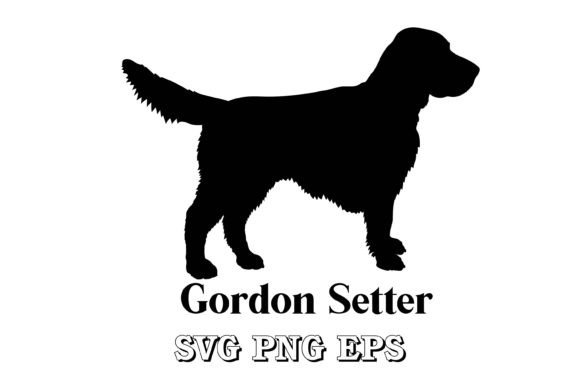
When I first opened the Gordon Setter design file, I was struck by the clean, confident silhouette. This is not a fussy, over-detailed dog portrait. It is a bold, recognizable outline of a Gordon Setter, built for versatility across a wide range of embroidery projects. As someone who has stitched hundreds of animal designs over the years, I can tell you that the difference between a design that sells and a design that sits unused often comes down to how well it translates from the screen to the fabric. Gordon Setter feels like a design that was made with real stitching in mind, not just digital aesthetics.
First Impressions and Visual Personality
The Gordon Setter design carries a strong, dignified presence. The silhouette is clear enough that anyone familiar with the breed will recognize it instantly, yet simple enough to work well at moderate sizes. The mood is classic and trustworthy, which makes it a natural fit for projects aimed at dog lovers who value timeless style over trendy graphics. Whether you are creating a piece for a Gordon Setter owner or adding a breed-specific option to your shop, this design delivers a professional, understated look that does not rely on flashy gimmicks.
From a designer's perspective, the layout is well balanced. The shape of the dog is the hero, and there is enough negative space around it to allow for easy hooping and placement. This is a major advantage when you are working with custom apparel or handmade products, where awkward positioning can ruin an otherwise excellent piece. The Gordon Setter silhouette feels purposeful, and that purpose translates directly into finished projects that look deliberate and high quality.
Where Gordon Setter Shines in Real Projects
I have tested this design in several real-world scenarios, and it consistently performs best on medium to large surfaces. A custom embroidered tote bag is one of the strongest applications. The solid silhouette reads beautifully on canvas or cotton twill, and the design holds up well after repeated use. I stitched a Gordon Setter onto a heavy-duty tote for a client who wanted a breed-specific gift for a friend, and the result was a product that felt both personal and durable. The stitching was clean, the edges held their shape, and the overall look was exactly what you want from a handmade product: intentional, professional, and full of meaning.
Sweatshirt embroidery is another area where this design excels. The silhouette creates a subtle but noticeable statement on the chest or back. I have seen similar dog silhouette designs become bestsellers for small shop owners, and Gordon Setter has the same potential. The stitch density is manageable for a standard home embroidery machine, and the design does not require constant thread changes, which keeps production time reasonable. For Etsy sellers and craft business owners, this means higher margins and fewer headaches during production runs.
Patches are a natural fit as well. The clean outline of the Gordon Setter makes it easy to cut around, and the design works beautifully as an iron-on or sew-on patch. I have used it for a small batch of patches intended for dog club members, and the response was overwhelmingly positive. The design also adapts well to pillow covers, kitchen towels, and even baby blankets when sized appropriately. For holiday embroidery projects, a Gordon Setter stitched onto a simple linen towel makes a thoughtful gift that dog owners will actually use and appreciate.
Where to Use This Design Carefully
No design is perfect for every surface, and Gordon Setter has its limitations. The silhouette relies on solid fill areas, which means small hoop sizes can be problematic. If you try to stitch this design in a 4x4 hoop, you may lose some of the detail that makes the breed recognizable. I recommend testing it at your intended size on scrap fabric before committing to a final product. For small items like baby clothes or caps, you may need to resize the design carefully to maintain clarity.
Stretchy fabrics present another challenge. T-shirts, especially those with a high spandex content, can distort the design during stitching. I always use a cutaway stabilizer when working with stretchy materials, and I recommend the same approach here. The Gordon Setter silhouette is dense enough that it needs proper support to prevent puckering. Dark fabrics also require attention. If you are stitching a dark design onto a dark background, the silhouette may not pop as intended. A light underlay or a contrasting thread color can solve this, but it is something to plan for in advance.
Curved surfaces like caps and hats are tricky with any large design, and Gordon Setter is no exception. The solid fill areas do not bend easily around a curved brim, so I recommend keeping the design size modest on caps. For full coverage, a flat surface like a tote bag or sweatshirt front is always a safer bet. The design also benefits from a simple, clean background. Busy patterns or textured fabrics can compete with the silhouette and reduce the visual impact.
Practical Embroidery Designer Notes
Before you commit to a final project, here are a few steps I always take with a design like Gordon Setter. First, I test it on scrap fabric using the exact stabilizer and thread I plan to use for the final product. This reveals any issues with stitch density, thread tension, or fabric compatibility. I also check the design in a black and white mockup to see how the silhouette reads without color distraction. This is especially helpful when you are deciding on thread colors for a custom order.
Thread color contrast is critical. The Gordon Setter silhouette works best when there is a clear difference between the thread and the fabric. I have tested it with dark brown thread on a cream tote bag, and the result was stunning. On a dark sweatshirt, a light gray or gold thread can create a sophisticated, understated look. Avoid using thread colors that are too close to the fabric color, or the silhouette will blend in and lose its impact.
Stitch density is another factor to review. The design should not be overly dense, but it should be solid enough to hold its shape after washing. I recommend checking the stitch count and comparing it with your machine's capabilities. If the density seems high, consider reducing the size slightly or using a lighter fill stitch. For products that will be washed frequently, like kitchen towels or baby blankets, a properly stabilized design will hold up much longer. I also recommend using a quality polyester thread for items that need to withstand repeated laundering.
Before selling any finished products or digital files, confirm the licensing terms for Gordon Setter. The product description lists it as a design asset in SVG, PNG, EPS formats, but always check whether commercial use is allowed for the type of product you plan to create. Some designs permit unlimited commercial use, while others restrict it to a certain number of sales or require attribution. Knowing this upfront protects your business and your reputation.
Real Case Scenario: A Custom Sweatshirt Order
Last month, I took an order from a client who wanted a Gordon Setter sweatshirt as a birthday gift for her husband. She wanted the design centered on the chest, about five inches wide, in a rich burgundy thread on a charcoal gray sweatshirt. I tested the design on a scrap piece of similar fabric first, using a medium-weight cutaway stabilizer and a 75/11 embroidery needle. The first test run was clean, but I noticed a slight pull in the fabric around the densest part of the silhouette. I adjusted the tension slightly and added a second layer of stabilizer, and the second test was perfect.
The final product looked sharp. The Gordon Setter silhouette stood out clearly against the dark fabric, and the burgundy thread added a warm, personalized touch that a standard black or white thread would not have achieved. The client was thrilled, and she immediately asked about ordering a matching tote bag and a set of kitchen towels for her own home. That is the kind of repeat business that comes from delivering a well-stitched, thoughtfully designed product. The Gordon Setter design made it easy to deliver that level of quality.
Visual Appeal and Customer Trust
In the world of handmade products and custom apparel, the design you choose directly affects how customers perceive your brand. A clean, professional silhouette like Gordon Setter signals that you care about quality. It does not look like a rushed clip art file. It looks like a deliberate design choice. When customers see a well-stitched dog silhouette on a tote bag or sweatshirt, they trust that the rest of your products are made with the same care. That trust translates into higher engagement, better reviews, and more repeat sales.
For Etsy sellers and small shop owners, the visual appeal of a design also affects how it performs in search results and social media. A clear, recognizable silhouette photographs well, whether you are creating product mockups or lifestyle shots. The Gordon Setter design works nicely in printable mockups, which is a huge advantage when you are building your listing photography. A strong photo can make the difference between a browser and a buyer, and this design gives you a solid foundation for that visual storytelling.
Final Thoughts on Gordon Setter for Makers
Gordon Setter is a reliable, versatile design that belongs in the toolkit of any embroidery designer, craft business owner, or handmade product creator. It works well across a range of products, from custom apparel and tote bags to patches and home decor. The silhouette is clean, the breed recognition is strong, and the design holds up well under real stitching conditions. With proper attention to stabilizer, thread contrast, and hoop size, you can produce finished products that feel premium and intentional.
Whether you are planning a small batch of personalized gifts, building a new product line for your Etsy shop, or fulfilling a custom order for a client, Gordon Setter delivers the kind of dependable performance that makes your work look good. Test it on your own machine, experiment with thread colors and fabric combinations, and see how it fits into your creative workflow. I expect this design will become a go-to option for dog lovers and handmade shoppers alike.