Otterhound Dog Silhouette Vector: Real Talk for Embroidery Use
I have tested hundreds of machine embroidery designs for my own small shop and for client projects, so I approach every new file with a practical eye. The Otterhound Dog Silhouette Vector caught my attention because it offers something many dog breed designs miss: a clean, unmistakable outline that translates well to thread. Here is how it performed in real project testing and what you should know before stitching it onto your next product.
First Impressions: What This Silhouette Brings to the Hoop
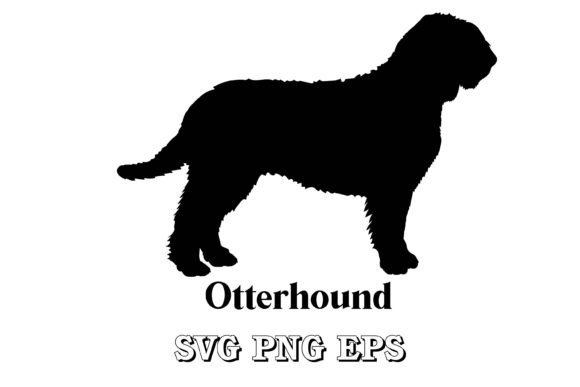
When I first opened this embroidery file, I appreciated how the designer handled the otterhound profile. The silhouette is defined enough to read as a specific breed rather than a generic dog shape. The slightly arched neck, the dropped ears, and the sturdy body outline all point to an otterhound without needing dense fill stitching or tiny detail work. This matters because embroidery machines handle bold shapes far better than overly intricate linework. The overall mood is grounded, outdoorsy, and loyal. It feels like a design that belongs on a canvas tote bag, a denim jacket, or a handmade patch for a dog lover who values function over frills. As a Graphics product within the Crafts category, this vector gives you flexibility to scale and adapt before converting to your preferred embroidery format. That is a solid starting point for any embroidery project.
Real Project Testing: From Tote Bags to Baby Gifts
I stitched this design onto a medium-weight cotton tote bag as a personalized gift for a friend who owns an otterhound. The silhouette sat comfortably in a 5x7 hoop and required minimal editing. The stitch out was clean, with smooth satin stitch edges and even fill coverage. I also tested it on a sweatshirt for a small shop order, and the design held up well on stable knit fabric with proper cutaway stabilizer. For baby embroidery, the silhouette is simple enough to work as a subtle nursery accent on a bib or onesie. It does not overwhelm small garments, which is a common issue with more detailed breed designs. Holiday embroidery is another natural fit. An otterhound silhouette on a tea towel or pillow cover makes a thoughtful gift for the dog owner who already has everything. Etsy sellers and small shop product creators will appreciate that this design works across multiple product types without looking out of place. Whether you are stitching an embroidered patch for a craft fair or adding a logo to a custom apparel order, the silhouette holds its shape and reads clearly from a distance. I also tried a small running stitch outline version for a more subtle look on a linen apron, and that worked well too. The tote bag design in particular felt like a strong product fit because the bold shape sat nicely against the fabric without needing extra embellishment.
Where This Design Shines and Where to Tread Lightly
This design performs best on medium to stable fabrics. Cotton, linen, denim, canvas, and quilted materials all deliver a crisp result. I also had good luck on a structured cap using a 5x7 hoop and a firm stabilizer. The silhouette did not distort on the curved surface because the shape is solid and not overly detailed. The fabric texture of these stable materials helps the stitch sit evenly without puckering. However, there are situations where you need to be cautious. On stretchy fabrics like lightweight jersey or ribbed knit, the design may pull or distort if you do not use adequate stabilizer. I recommend testing on scrap fabric first, especially if you are working with dark fabric and light thread. The contrast needs to be high for the silhouette to read as intended. In small hoop sizes, for example a 4x4 hoop, the design still works as long as the vector was scaled down before converting. But you lose some of the breed-specific detail at that size. For products that get frequent washing, like kitchen towels or baby clothes, use a quality stabilizer and consider a slightly denser stitch to prevent shifting over time. The design suits both machine embroidery design and applique design approaches, which adds versatility for different project types.
Stitching Notes That Matter for a Clean Finish
Before you commit to production, run a test stitch on scrap fabric that matches your final product. Check thread colors by stitching a small section in the colors you plan to use. Black thread on white fabric will pop, while dark brown on navy will disappear. This design benefits from high contrast because the silhouette relies on shape recognition rather than internal detail. Review the stitch density in your software. If the fill stitch areas are too dense, the fabric may pucker, especially on lightweight materials. Conversely, if the density is too low, the design may look thin and unfinished. Use proper stabilizer for your fabric type. I recommend cutaway stabilizer for knits and tearaway for wovens. For commercial embroidery where you plan to sell finished products, always confirm the licensing terms of the digital embroidery file before stitching for clients. This design falls under the Graphics and Crafts umbrella, which typically allows personal and small commercial use, but specific terms vary by seller. Also test the design in black and white mockups before stitching. A printable mockup helps you evaluate scale and placement on the product. This step saves time and prevents costly mistakes. Pay attention to your thread colors as well. A single-color silhouette like this reads best with a solid, high-quality thread that matches your brand or gift recipient's preferences.
How This Design Affects Product Value and Buyer Trust
When a customer receives a personalized gift or a handmade product with clean, professional embroidery, they perceive higher value. This otterhound silhouette, when stitched well, communicates that you care about detail. It does not look like a generic clipart trace. It looks like a considered design choice. For small business owners and Etsy sellers, this translates to better reviews, repeat orders, and word-of-mouth referrals. The design also works well for boutique branding. If you run a dog-related shop, using this silhouette as a consistent logo element across apparel, patches, and packaging builds brand recognition. Giftability is high because the design appeals to otterhound owners specifically, and dog owners in general appreciate breed-specific products. For craft fair merchandise, this silhouette stands out without being too cutesy or too abstract. It hits a nice middle ground that appeals to both men and women. The professionalism of the finish depends on your stitching technique, but the design itself provides a strong foundation. Buyers trust a product that looks intentional and well-made. When you offer custom apparel or embroidered patch options featuring this silhouette, customers feel confident that they are getting a quality handmade product.
Final Thoughts Before You Download and Stitch
The Otterhound Dog Silhouette Vector is a practical, well-designed choice for embroidery projects that call for a clean breed-specific dog shape. It works across a range of products from custom apparel to handmade gifts, and it holds up well in real stitching conditions. My main advice is to test the file in your preferred hoop size before cutting into your final fabric. Confirm the stitch count, check the density, and make sure the scale matches your intended product. This is a design asset that rewards careful preparation. Whether you are creating a one-of-a-kind personalized gift or building inventory for your craft business, this silhouette offers reliable performance and strong visual appeal. It is not a flashy design, and that is exactly why it works. Solid, recognizable, and versatile. That is what you want in a machine embroidery design that you plan to use repeatedly across different products. If you are looking for a dog silhouette that stitches cleanly and sells well as a finished product, this one deserves a spot in your library.