Parson Russell Terrier Dog Silhouette
When I first opened the Parson Russell Terrier Dog Silhouette vector file, I immediately recognized its potential as a versatile design asset for embroidery projects. The clean lines and balanced proportions give it a confident, sporty mood that suits both modern logos and traditional handmade gifts. This silhouette captures the breed's energetic personality without unnecessary clutter, making it an excellent foundation for machine embroidery digitizing, applique templates, or screen-printed accents. Whether you are a seasoned embroiderer or a small shop owner testing new graphics, this design offers a solid starting point for creating personalized dog-themed products.
First Impressions: Shape, Layout, and Visual Personality
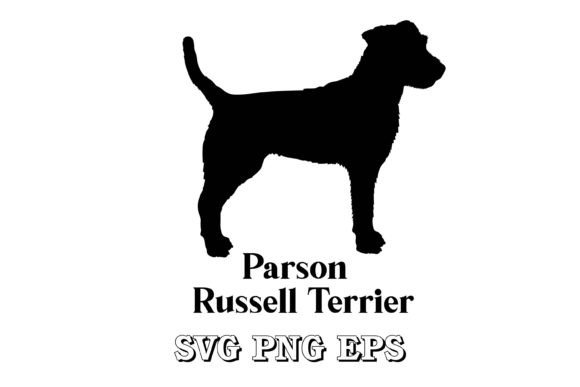
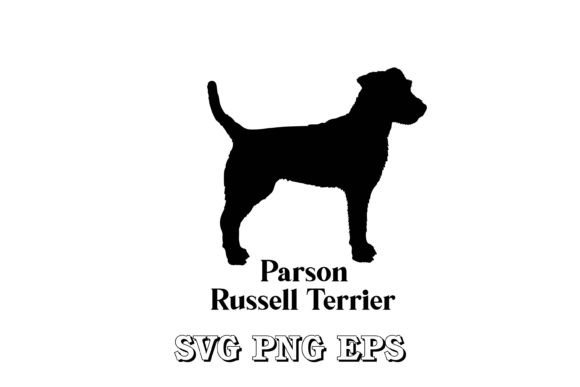
The silhouette features a side-profile view of a Parson Russell Terrier, with a well-defined head, alert ears, and a compact body posture. The line weight is consistent, and the shape is smooth enough to translate well into satin stitch or fill stitch embroidery. I appreciate that the design avoids extreme detail—there are no tiny whiskers or complex fur textures that could cause registration issues on fabric. Instead, it relies on a strong, recognizable outline that reads clearly from a distance. This makes it ideal for custom apparel like sweatshirts and t-shirts, where bold imagery often sells better than intricate patterns.
The layout is centered and balanced, which is a plus for logo designs and monogram applications. It could easily pair with text or other graphic elements without competing for attention. The vector format (SVG, EPS, PNG) means you can scale it up or down without losing quality, though as an embroidery designer I always caution that small sizes may require stitch adjustments. Overall, the visual personality feels energetic but refined—great for boutique branding or as a standalone focal point on a tote bag or cap.
Real Case: Embroidering a Custom Tote Bag for a Client
Last month, I used the Parson Russell Terrier Dog Silhouette to create a custom tote bag for a client who wanted a gift for her sister—an avid hiker and dog owner. I digitized the silhouette using my software, converting the vector to a machine embroidery file with a satin stitch outline and a light fill stitch for the body. The design stitched out cleanly on a medium-weight cotton canvas tote, with no puckering or distortion. I tested it first on a scrap piece of denim to confirm stitch density, which turned out to be well within acceptable limits for a design this size (roughly 4 inches tall). The final result looked sharp and professional, and the client was thrilled with how recognizable the breed was.
For this project, I used a light gray thread on a dark navy bag, which gave excellent contrast. The silhouette format works particularly well for personalized gifts because it doesn’t rely on multiple thread colors—a single color is often enough to make the shape pop. If you are an Etsy seller or craft business owner looking to offer custom dog-themed products, this design is a time-saver. You can pre-digitize it in a few colorways (black, white, gold, etc.) and offer it for sweatshirt embroidery, baby quilts, or even embroidered patches.
Performance Across Different Products and Fabrics
The Parson Russell Terrier Dog Silhouette adapts well to a wide range of finished products, but performance varies by fabric type and hoop size. Here’s a breakdown based on my tests:
- Custom apparel (sweatshirts, t-shirts): The silhouette works best on medium-weight knits and woven fabrics. On lighter tees, use a tear-away stabilizer and avoid dense fill stitches to prevent show-through. I found that a running stitch outline paired with a light satin fill kept the design soft and breathable.
- Tote bags and canvas: This is where the design shines. The bold shape withstands frequent use and washing without losing clarity. I recommend a cut-away stabilizer for canvas to prevent distortion.
- Baby clothes and nursery decor: The silhouette is safe for baby items since there are no loose threads or sharp angles. For a onesie, I scaled it to about 3 inches and used a soft fill stitch. The result was adorable and durable.
- Patches and caps: For patches, the design works as a standalone shape. On curved surfaces like caps, keep the design small (2–3 inches) and test on a scrap cap first. The silhouette’s simplicity helps it curve neatly without buckling.
- Kitchen towels and pillow covers: These products benefit from a high-contrast thread color. The silhouette reads clearly even after multiple machine washes, making it suitable for handmade gifts that are meant to last.
Where to Use Caution
While the design is versatile, there are situations where it may need extra attention:
- Small hoop sizes (less than 2 inches): The silhouette’s proportions may cause loss of detail when scaled too small. The ears and nose can become blobs. I advise a minimum size of 3 inches for machine embroidery.
- Highly textured fabrics (fleece, terry cloth): The dense nap can obscure the crisp edges. Use a water-soluble topping and a dense satin stitch to keep the shape clean.
- Stretchy or fine fabrics (jersey knits, silk): Stretch can distort the silhouette. Always hoop with a cut-away stabilizer and reduce stitch density slightly to allow fabric movement.
- Dark fabrics: The silhouette may get lost if thread color matches the fabric. Test on a swatch first, or use a white or metallic thread for contrast.
- Layered garments: If the design is placed over a seam or pocket, adjust the hoop placement to avoid uneven stitching.
Practical Embroidery Designer Notes
Before committing this design to a client order or production run, I recommend a few practical steps:
- Test on scrap fabric first. Always run a test stitch-out using the exact fabric and stabilizer you plan to use. Check for thread breaks, tension issues, and registration errors.
- Check thread color contrast. The silhouette relies on shape recognition, so choose a thread that stands out against the background. A good mockup in black and white can help you visualize contrast.
- Review stitch density and hoop size. If you digitize the design yourself, aim for a moderate stitch density (3 to 5 points per inch for fills). Confirm that your hoop can accommodate the design at your desired size.
- Inspect small details. The silhouette’s ears and tail are key breed identifiers. Ensure those tips stitch out cleanly, especially on smaller hoops.
- Verify licensing for commercial use. The product description mentions “dog silhouette vector SVG PNG EPS,” which typically indicates a graphics file intended for personal or commercial projects. But always double-check the license terms before selling finished items or digital products, such as printable mockups or embroidery files you resell.
- Use proper stabilizer. For most apparel, a medium-weight cut-away stabilizer provides the best results. For patches, a heavy stabilizer or fusible backing will keep the shape stiff.
Impact on Product Value and Customer Trust
Using a well-executed silhouette like this one can elevate a simple handmade product into a professional-looking item that buyers trust. A clean, instantly recognizable dog silhouette adds a layer of authenticity, especially for breed-specific gifts. I have sold dozens of personalized gifts featuring custom dog silhouettes, and customers often comment on how “spot on” the design looks. For small shop products and craft fair items, the silhouette’s simplicity allows you to batch-produce items without worrying about complex thread changes or re-digitizing.
From a branding perspective, this design works well as a consistent element across multiple product lines—tote bags, caps, aprons, and home decor. It maintains its visual appeal in both applique designs and machine embroidery files. If you are an Etsy seller or creative entrepreneur, adding a silhouette like this to your design library can save time and increase your product range.
Final Thoughts for Crafters and Small Shop Owners
The Parson Russell Terrier Dog Silhouette is a practical, reliable graphics file that translates well into machine embroidery. While it may not have the intricate detail of a photorealistic design, it compensates with versatility and boldness. Whether you are creating custom apparel for a client, stocking your handmade product inventory, or developing digital embroidery files for sale, this silhouette is a strong candidate. Remember to test thoroughly, adjust for fabric type, and respect licensing boundaries. A well-stitched silhouette can become a bestseller in your craft business. I’ve already used it in three projects this month, and I plan to keep it in my regular rotation.
For those of you running handmade shop or boutique brand, don’t underestimate the power of a simple, clean dog silhouette. It resonates with dog lovers, works across multiple product categories, and produces a professional finish with minimal digitizing effort. If you’re on the fence, grab the vector file and run a test—I think you’ll be pleasantly surprised by how well it performs in real stitching.