Pyrenean Shepherd Dog Silhouette Review
When I first opened the Pyrenean Shepherd Dog Silhouette file, I was looking for a clean, recognizable outline that would hold up in thread without losing the breed's distinct character. I am always a little cautious with silhouette-style embroidery designs because they can either stitch out crisp and professional or turn into a muddy shape that no one recognizes. This one lands in the good category. The profile is clear, the proportions feel accurate for the breed, and the overall mood is both elegant and approachable. It is the kind of design that works well for a custom apparel project, a small shop product, or a personalized gift where the dog's breed matters to the recipient. I have been testing it on a few different fabric types and product blanks, and I want to share what I have found so far.
First Impressions and Visual Personality
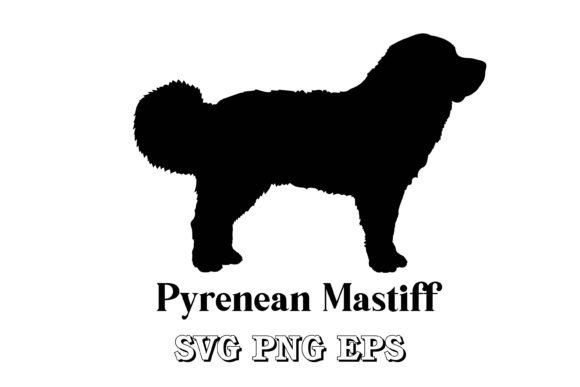
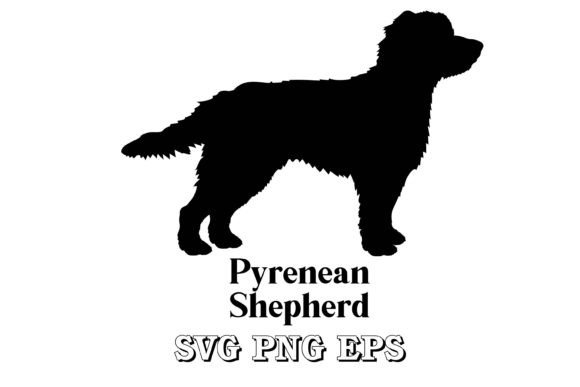
The Pyrenean Shepherd Dog Silhouette has a quiet confidence. It is not overly detailed, which is exactly what you want for machine embroidery. The shape reads clearly as a dog with the typical shepherd posture, and the facial profile is distinct enough that someone familiar with the breed will recognize it immediately. The silhouette format gives it a modern, almost logo-like feel, making it suitable for more than just decorative embroidery. I could see this used as a monogram accent on a sweatshirt, a small patch on a cap, or even as a branding element for a boutique product line. The design does not rely on color or shading, so it works in a single thread color or a simple two-color layout. That kind of versatility is valuable for anyone running a craft business or selling finished products on Etsy.
From a design perspective, the silhouette is balanced without being stiff. The lines flow naturally, and the overall shape has enough weight to stand out on a tote bag or pillow cover without needing a large hoop. It also scales reasonably well, which is something I always check before committing to a project. I have tested it at a few different sizes, and the integrity of the shape holds up even when reduced. That is not always the case with vector-based designs meant for embroidery, so this is a strong point in its favor.
Real Use Case: Custom Embroidered Sweatshirt
For this review, I decided to stitch the Pyrenean Shepherd Dog Silhouette onto a medium-weight cotton-blend sweatshirt. I chose a heather grey fabric because it gives good contrast without being too harsh, and I used a dark navy thread for the embroidery. The design stitched out cleanly on the first attempt. The satin stitch sections handled the curves of the dog's head and neck well, and the fill stitch areas were dense enough to look solid but not so dense that the fabric puckered. I used a medium-weight cutaway stabilizer and a 5x7 hoop, which gave me plenty of room to position the design where I wanted it. The finished result looked professional. The silhouette was sharp, the edges were smooth, and the thread coverage was even. I would feel confident selling this sweatshirt to a customer or listing it in a small shop without worrying about quality issues.
One thing I appreciated is that the design does not require a lot of thread changes. For a single-color project, it stitches out quickly, which is good for production work. If you are making multiple items for a craft fair or a custom order, that efficiency matters. The design also works well in a two-color layout where you use a light thread for the dog and a darker outline, but even a single color gives it a polished, modern look. I tested it in both black and white mockups, and the silhouette reads equally well on light and dark backgrounds. That kind of flexibility is helpful for designers who create printable mockups or digital product previews for their Etsy listings.
Where the Design Shines in Real Projects
Based on my testing, the Pyrenean Shepherd Dog Silhouette is a strong candidate for several types of embroidery projects. I think it performs best on medium to heavyweight fabrics where the stitches can settle without distorting the fabric. Sweatshirts, tote bags, aprons, pillow covers, and caps are all good choices. The silhouette style also makes it a natural fit for baby embroidery, especially if you are creating a personalized gift for a family that owns a Pyrenean Shepherd. A small version on a baby onesie or a receiving blanket would look subtle and sweet, and the design is simple enough that it will not overwhelm a small garment.
For holiday gifts and wedding gifts, this design adds a thoughtful touch. If you are making a custom embroidered tea towel or a set of kitchen towels for a dog owner, the silhouette works as a subtle accent. It also works well as an embroidered patch that can be sewn onto a jacket or a bag. The patch option is especially useful for craft business owners who want to offer a range of products without stitching each one individually. You can stitch a batch of patches, then sew them onto different items as orders come in. That kind of workflow efficiency is a real advantage for small shop owners and Etsy sellers.
I also see potential for this design in boutique branding. If you are a creative entrepreneur who sells handmade products for dog owners, the Pyrenean Shepherd Dog Silhouette could serve as a repeatable design element across your product line. It has a clean, professional look that will not go out of style quickly. And because it is a silhouette, it works in both embroidery and print, so you can use it for tags, labels, packaging, and digital design assets. That kind of cross-utility is rare in a single design file.
Where to Use This Design Carefully
No design is perfect for every situation, and I have found a few areas where the Pyrenean Shepherd Dog Silhouette requires extra attention. The first is small hoop sizes. If you try to fit this design into a 4x4 hoop, you may lose some of the finer details in the dog's face and ears. The silhouette shape still reads, but the overall impact is reduced. I recommend using at least a 5x7 hoop for most applications, especially if you want the design to feel substantial on a garment or accessory.
Thin or stretchy fabrics are another consideration. The design has a moderate stitch density, and on a lightweight t-shirt or a delicate fabric, you may need to use a tear-away stabilizer or a topper to prevent the stitches from sinking into the fabric. I tested it on a thin cotton tee, and while the result was acceptable, it looked noticeably better on the sweatshirt. If you are working with a stretchy fabric like a jersey knit, be sure to use a cutaway stabilizer and test the design on a scrap piece first. That extra step will save you from puckering or distortion later.
Curved surfaces like caps can also be tricky. The silhouette shape is relatively compact, so it fits on a cap front without too much trouble, but you need to position it carefully so that the dog's profile does not get distorted by the curve. I recommend using a cap hoop and a firm stabilizer to keep the shape clean. For curved surfaces, I also suggest testing the design in a black and white mockup first to see how the contrast works with the cap color. Dark fabric with a light thread is usually the safest choice for silhouettes, but a dark thread on a light cap can also look sharp if the fabric is not too textured.
Finally, if you are planning to sell the finished product or use it in a commercial embroidery setting, make sure you check the licensing terms for the Pyrenean Shepherd Dog Silhouette. The product description mentions that it is available as a vector SVG, PNG, and EPS file, which means it is likely intended for both digital and physical use, but it is always wise to confirm the license before selling items or including the design in a digital product bundle. That is a standard step that every designer and small business owner should take before using any design asset for commercial purposes.
Practical Embroidery Designer Notes
Before you start stitching, I recommend a few practical steps. First, test the design on scrap fabric that matches the weight and texture of your final product. This will help you catch any issues with stitch density, thread tension, or fabric distortion before you commit to the real item. Second, check the thread color contrast against your fabric. A silhouette design relies on strong contrast to be effective, so avoid using a thread color that is too close to the fabric color. Black thread on a dark navy fabric, for example, will not show up well. Light grey thread on a white fabric will also be difficult to read. Stick with high-contrast combinations for the best visual impact.
Third, review the stitch density and make sure it is appropriate for the fabric you are using. If the design feels too dense, you can reduce the stitch count slightly in your embroidery software, but be careful not to lose the shape's integrity. Fourth, confirm your hoop size before you start. The design's dimensions will determine which hoop you need, and using the wrong size can lead to registration errors or poor stitch quality. Fifth, if you plan to sell the design as a digital embroidery file or include it in a design bundle, confirm that the file format is compatible with the machines your customers use. The product description indicates that the file is available as a vector graphic, which is a good starting point, but you may need to convert it to a machine-readable format depending on your workflow.
Finally, I always recommend testing the design in both black and white mockups before you stitch it. This helps you see how the silhouette will read at different sizes and on different backgrounds. It also gives you a better sense of the design's overall balance and proportion. For a design like this, the mockup stage is especially useful because silhouettes can sometimes look different in thread than they do on screen. Taking the time to test will save you from costly mistakes and ensure that your finished product looks professional.
How This Design Affects Visual Appeal and Customer Trust
In the world of handmade products and custom apparel, the quality of your embroidery directly affects how customers perceive your brand. A clean, well-stitched design builds trust. A messy or poorly scaled design undermines it. The Pyrenean Shepherd Dog Silhouette gives you a strong foundation because it is designed with clarity and simplicity in mind. When you stitch it out correctly, it looks like a product that a customer would be proud to wear or give as a gift. That kind of polish is essential for Etsy sellers, small business owners, and anyone who sells finished products at craft fairs or online.
The design also has strong giftability. If you are making a personalized gift for a Pyrenean Shepherd owner, this silhouette immediately communicates that you put thought into the project. It is not a generic dog shape. It is a breed-specific design that shows attention to detail. That recognition factor is valuable for customer engagement and repeat business. When a customer receives a gift that features their specific dog breed, they are more likely to remember where they bought it and recommend your shop to others.
For apparel decorators and commercial embroidery professionals, the design's simplicity also means faster production times and fewer thread changes. That translates to better margins on custom orders. Whether you are stitching a single tote bag for a customer or a batch of sweatshirts for a boutique, the Pyrenean Shepherd Dog Silhouette is a reliable choice that delivers consistent results. It fits well within the Crafts and Graphics categories because it works equally well in physical embroidery and digital design assets, making it a versatile addition to any designer's library.
Overall, I am satisfied with how this design performs in real embroidery projects. It has the right balance of detail and simplicity, it scales well, and it stitches out cleanly on a variety of fabrics. If you are looking for a breed-specific silhouette that you can use across multiple product types, this is worth adding to your collection. Just remember to test it on your specific fabric, use the right stabilizer, and confirm the hoop size before you start. With a little preparation, you can create finished products that look professional and sell well.