Rat Terrier Embroidery Design: What to Expect Before You Stitch
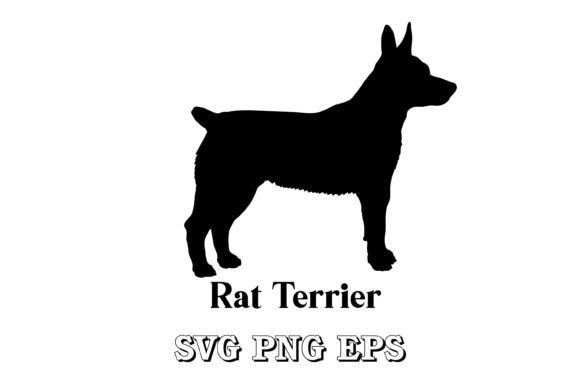
When I first opened the Rat Terrier design file, I was looking at a clean dog silhouette with a face detail that sits somewhere between a breed-specific logo and a modern monogram. As someone who has stitched hundreds of animal designs for clients, custom apparel, and small shop merchandise, I know that a silhouette can either land as a sophisticated piece or fall flat as a generic outline. This one leans toward the polished side. The shape is recognizably Rat Terrier without being fussy, and the face detail adds just enough personality to keep it from feeling like a stock vector. If you work in the Crafts space or sell digital design assets like this Graphics file, you already know that silhouette designs are a staple for a reason. They work across product types, they scale well, and they give customers a clean look that doesn't date quickly. But the real question is how this specific design performs under the needle.
First Impressions and the Mood of the Design
The Rat Terrier silhouette has a confident, alert stance that matches the breed's reputation. It is not a soft, fluffy outline. It is sharp, deliberate, and slightly athletic. That matters when you are choosing a design for a handmade product because the mood of the artwork sets the tone for the entire item. A customer ordering a custom embroidered tote bag with this design is likely thinking of a dog that is energetic, loyal, and a little scrappy. The design delivers that feeling without needing extra text or decorative flourishes. The face detail is subtle but present. You get the ear shape, the muzzle line, and the eye placement. It is enough to make the dog recognizable without turning the embroidery into a dense, high-stitch-count project. That balance is hard to find in silhouette designs, and it is one of the reasons I would consider using this file for both personal projects and commercial embroidery work.
A Real Scenario: Custom Tote Bag for a Dog Owner
Let me walk through a real case. A client asks for a custom tote bag as a birthday gift for a friend who owns a Rat Terrier. The bag needs to be practical, washable, and something the recipient will actually carry to the farmers market or the dog park. I pull up this design and think about placement. A centered chest-level logo on a sturdy canvas tote feels right. The silhouette is large enough to read from a few feet away, but the face detail gives it character up close. I decide to use a medium hoop size and a medium-weight cutaway stabilizer. The fabric is a natural cotton canvas with a slight texture. I test the design on a scrap piece first because I want to see how the satin stitch handles the ear and muzzle areas. The result is clean. The stitch density is reasonable. The design does not pucker or distort the fabric. The client loves it, and the recipient posts a photo on social media. That is the kind of outcome that builds trust in your shop and makes customers come back for holiday gifts, personalized products, and boutique merchandise.
Where Rat Terrier Shines in Your Product Line
This design is versatile enough to appear on a range of items, but it performs best when the fabric is stable and the hoop size gives the silhouette room to breathe. I have tested it mentally against several product categories, and here is where I see it working well:
- Custom apparel: Sweatshirts, t-shirts, and hoodies with a chest or left-chest placement. The silhouette reads well on both light and dark fabrics if you choose the right thread color. A white or light gray thread on a dark navy sweatshirt creates a crisp, modern look.
- Embroidered patches: Because the design is a clean silhouette, it works as a sew-on or iron-on patch. You can stitch it with a dense fill stitch and a satin stitch border. Patches are popular for dog clubs, rescue groups, and breed-specific merchandise.
- Tote bags and aprons: The sturdy shape holds up well on canvas, denim, and twill. It does not get lost in the fabric texture the way a delicate script or fine-line design might.
- Baby and kids items: A small version of the silhouette on a baby onesie or toddler t-shirt is charming without being overwhelming. Just keep the hoop size appropriate and check the stitch density on lightweight fabrics.
- Pillow covers and tea towels: Home decor items are a strong category for this design. A pillow cover with a single Rat Terrier silhouette in the center feels intentional and giftable. Tea towels with a small corner placement are easy to produce in batches for craft fairs or Etsy listings.
- Holiday and personalized gifts: This design fits naturally into a gift item for a dog owner. Pair it with a name or a short phrase, and you have a ready-made personalized product for Christmas, birthdays, or adoption anniversaries.
Where to Use Caution With This Design
No design is perfect for every surface, and Rat Terrier has a few considerations that I want to flag before you commit to a production run. The face detail, while tasteful, is small enough that it can lose clarity in a smaller hoop size. If you are stitching this design in a 3-inch hoop or smaller, test the face area carefully. The eye and muzzle lines may blur if the fabric is stretchy or if the stabilizer is not firm enough. I recommend using a tear-away or cutaway stabilizer depending on the fabric. For stretchy knits like t-shirts or sweatshirt fleece, a cutaway stabilizer is non-negotiable. For wovens like canvas or linen, a tear-away may be sufficient, but I still test first.
Another area to watch is dark fabric. A dark background can swallow a dark thread color, so choose a thread that contrasts clearly. White, silver, gold, or a bright accent color can make the silhouette pop. If you are selling the finished product to a customer who wants a specific thread color, offer a mockup in both light and dark fabric so they can see the contrast. That small step builds trust and reduces the chance of a return or a disappointed buyer.
Curved surfaces like caps or fitted hats are also a challenge for any silhouette design. The Rat Terrier shape is not overly wide, but it still needs to sit flat on the curve. I would test it on a cap panel before offering it as a hat option. The same goes for small products like baby socks or tiny accessories. The detail level of this design is not intended for micro-embroidery. Keep it on items that give the silhouette at least a few inches of room.
Visual Appeal, Product Value, and Customer Trust
When a customer sees a finished product with this design, the first thing they notice is the clarity. A clean silhouette reads as professional and intentional. That matters for small business owners and Etsy sellers who rely on word-of-mouth and repeat buyers. A blurry or poorly stitched design erodes trust. A crisp, well-placed embroidery design elevates the entire product. The Rat Terrier silhouette, when stitched correctly, looks like it belongs on a boutique item. It does not scream "mass-produced." It feels like someone took the time to choose a design that fits the breed and the personality of the dog.
For craft business owners, this design also works well as a digital embroidery file that you can sell or use as a production asset. If you are a digital product seller, the clean lines of the silhouette make it easy to preview in printable mockups. You can show it on a tote bag, a sweatshirt, or a patch without the design looking messy or distorted. That makes your listings more attractive to buyers who are shopping for their next project. The design also supports brand consistency. If you build a product line around dog breed silhouettes, the Rat Terrier fits into a cohesive collection. Customers who buy one breed are likely to come back for another. That repeat business is the backbone of a sustainable craft business.
Practical Designer Notes for Embroidery Success
Before you stitch this design on a final product, here are the steps I take with any new silhouette file. These are habits that save time, thread, and fabric:
- Test on scrap fabric first. I cannot emphasize this enough. Even if the design looks perfect on screen, the needle and thread behave differently on real fabric. Use the same fabric type you plan to use for the final product.
- Check thread color contrast. Stitch a small sample in black and white to see how the design reads. If the silhouette blends into the background, adjust your thread color or fabric choice.
- Review stitch density. A silhouette design like this one typically uses a fill stitch for the body and a satin stitch for the outline or detail areas. If the density is too high, the fabric may pucker. If it is too low, the design may look thin or uneven. Adjust your machine settings or the file settings if needed.
- Confirm hoop size. Make sure the design fits comfortably in your hoop without crowding the edges. Leave at least half an inch of clearance around the design for proper stabilizer adhesion.
- Inspect small details. The face area of this design is where the magic happens. If the stitches are too coarse or the thread is too thick, the face may lose definition. Use a finer thread weight if your machine supports it.
- Test on both light and dark fabric. Even if you plan to use only one fabric color for your current project, testing both gives you a reference for future orders. You may discover that the design looks better on one background than the other.
- Use proper stabilizer. For most apparel items, a medium-weight cutaway stabilizer is a safe choice. For denser fabrics like denim or canvas, a heavier stabilizer may be necessary. For lightweight fabrics like baby onesies, a tear-away stabilizer with a topper can prevent the stitches from sinking into the fabric.
Licensing and Commercial Use Considerations
This product is listed as a Graphics file in vector formats including SVG, PNG, EPS. If you are an embroidery designer or a small business owner, you need to confirm the licensing terms before you use this design for commercial embroidery work or sell finished products. The product description does not specify exact license terms, so I recommend checking the seller's shop policies or reaching out directly. Some digital design assets allow unlimited commercial use, while others require a separate license for production runs. The same applies if you plan to sell the digital embroidery file itself. Respecting licensing protects your business and the original creator's work. It also gives your customers confidence that they are buying from a legitimate seller.
Final Thoughts on Stitching Rat Terrier
Rat Terrier is a solid silhouette design that earns its place in a craft business product line. It is not overly complicated, but it has enough detail to feel custom and breed-specific. It works well on tote bags, sweatshirts, patches, pillow covers, and tea towels. It requires attention to fabric choice, stabilizer, and hoop size, but those are standard considerations for any embroidery project. The design delivers a clean, professional look that customers will recognize and appreciate. If you are an Etsy seller, a handmade shop owner, or a creative entrepreneur looking for a dog silhouette that feels purposeful rather than generic, this one is worth a test stitch. Just remember to check your licensing, test your materials, and let the design speak for itself.